Fine Art Collections
BEYOND LAND & LIGHT
Dramatic fine art photography that captures the fleeting beauty of light and place — created for collectors, exhibitions, and designed interiors.
Dramatic fine art photography that captures the fleeting beauty of light and place — created for collectors, exhibitions, and designed interiors.
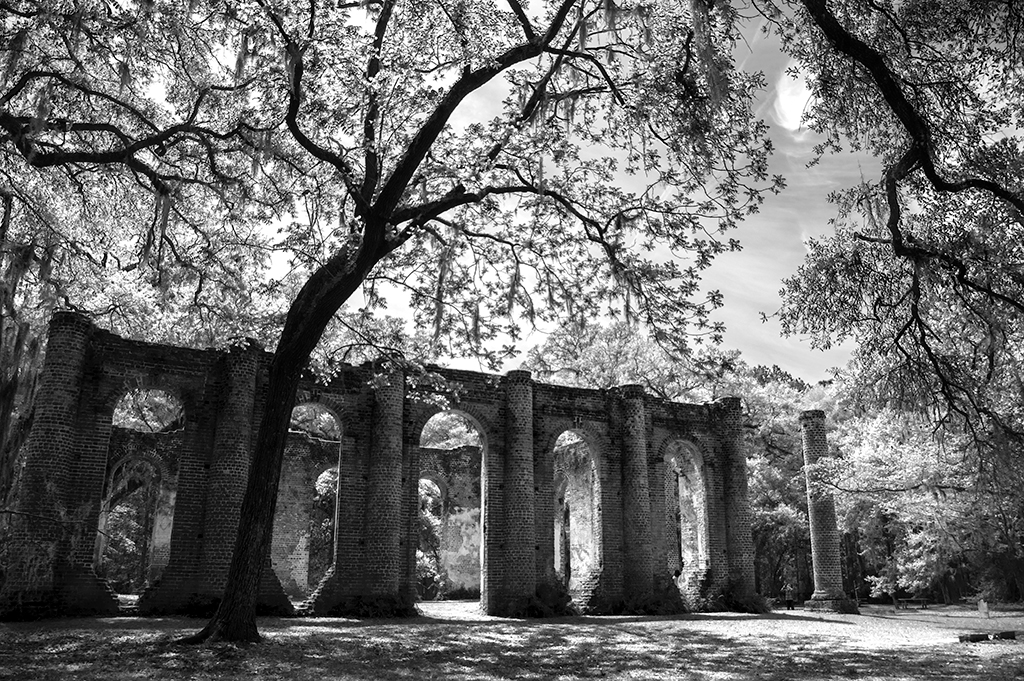
The Deep South
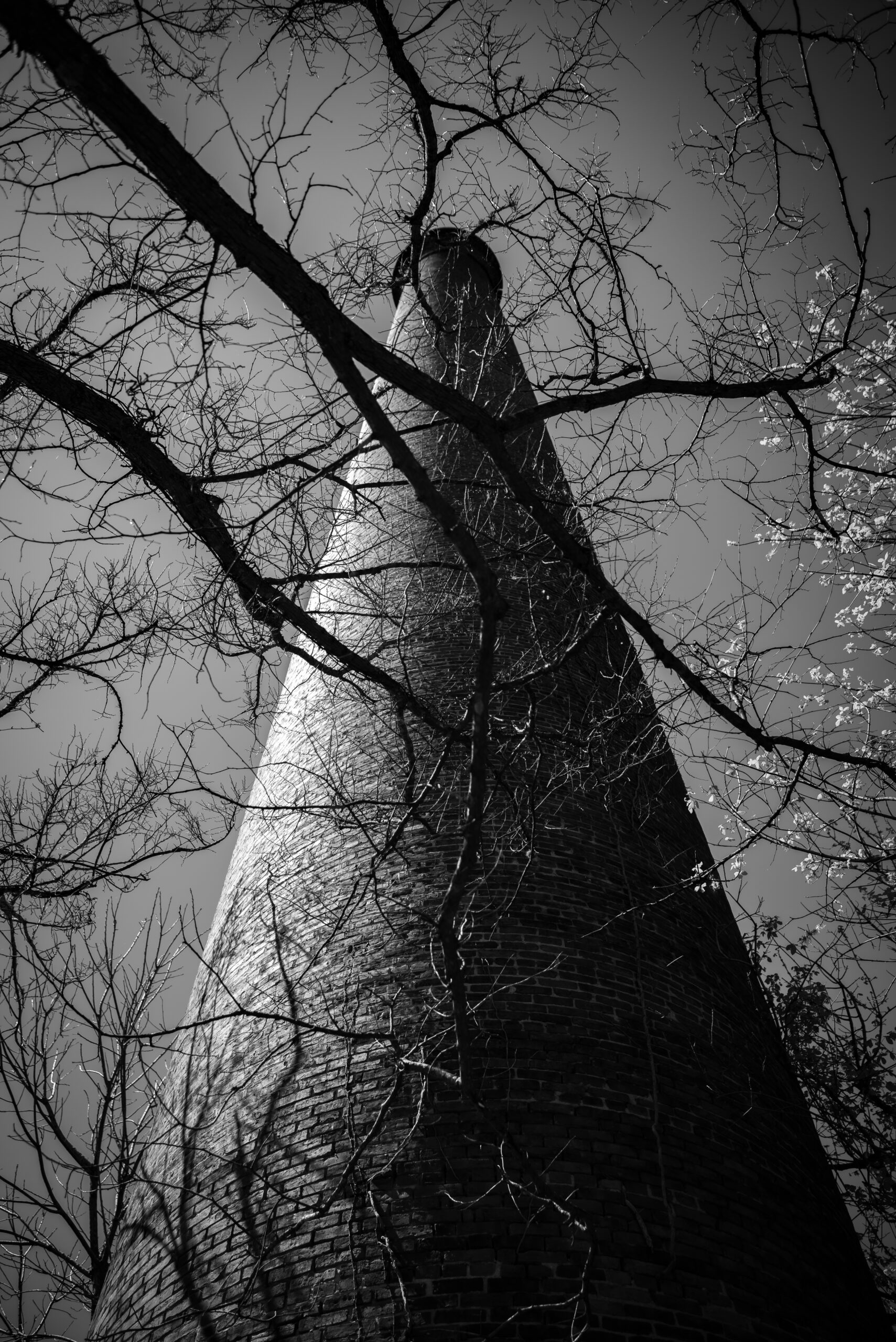
The Deep South flows across seasons, coastal edges, ruins, quiet river crossings, and shifting skies. It’s fine art rooted in Southern landscape and identity, designed to be more than decor — built to evoke emotion, history, and light.
Ruins, rivers, and shadows of Southern history — landscapes steeped in story and atmosphere.
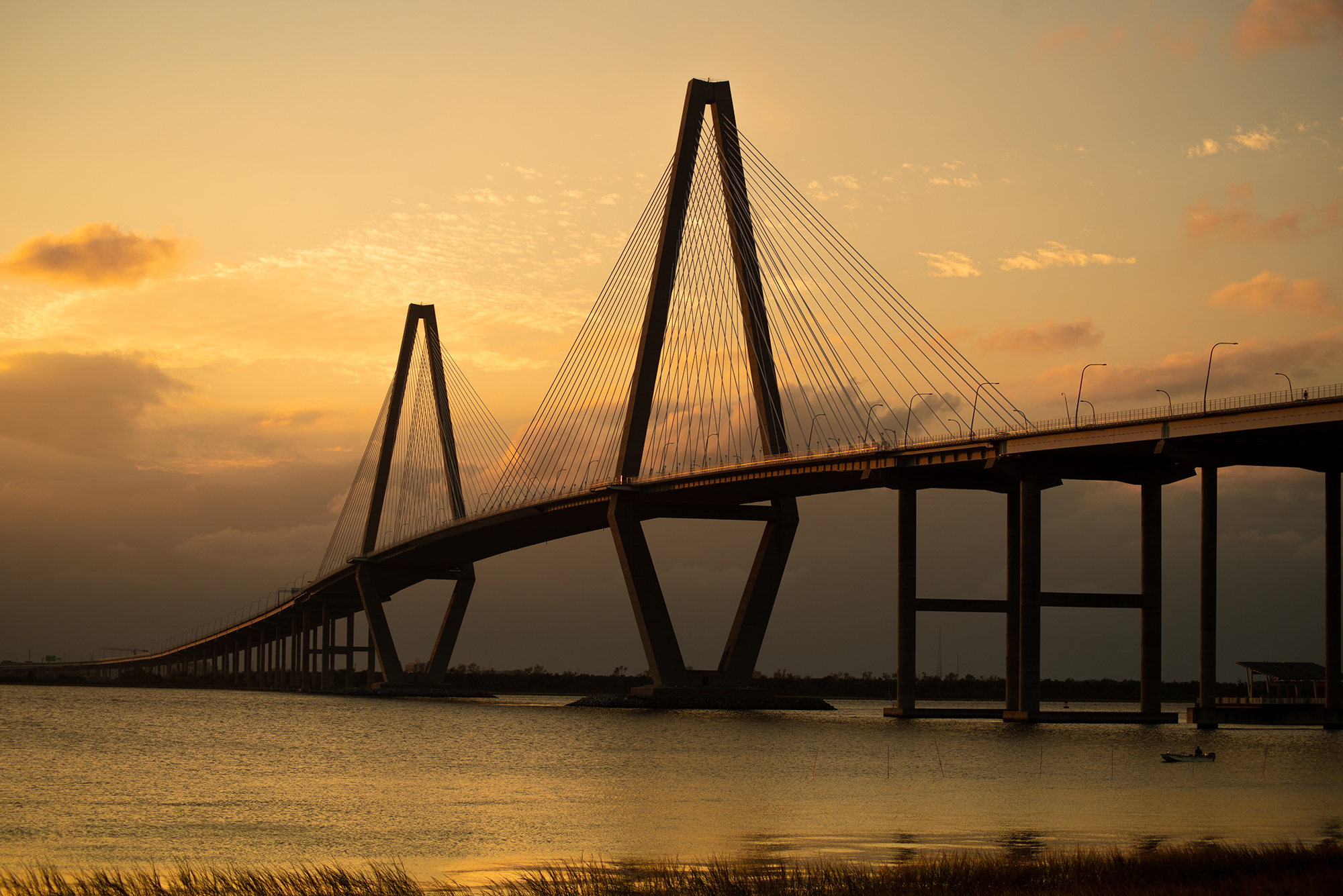
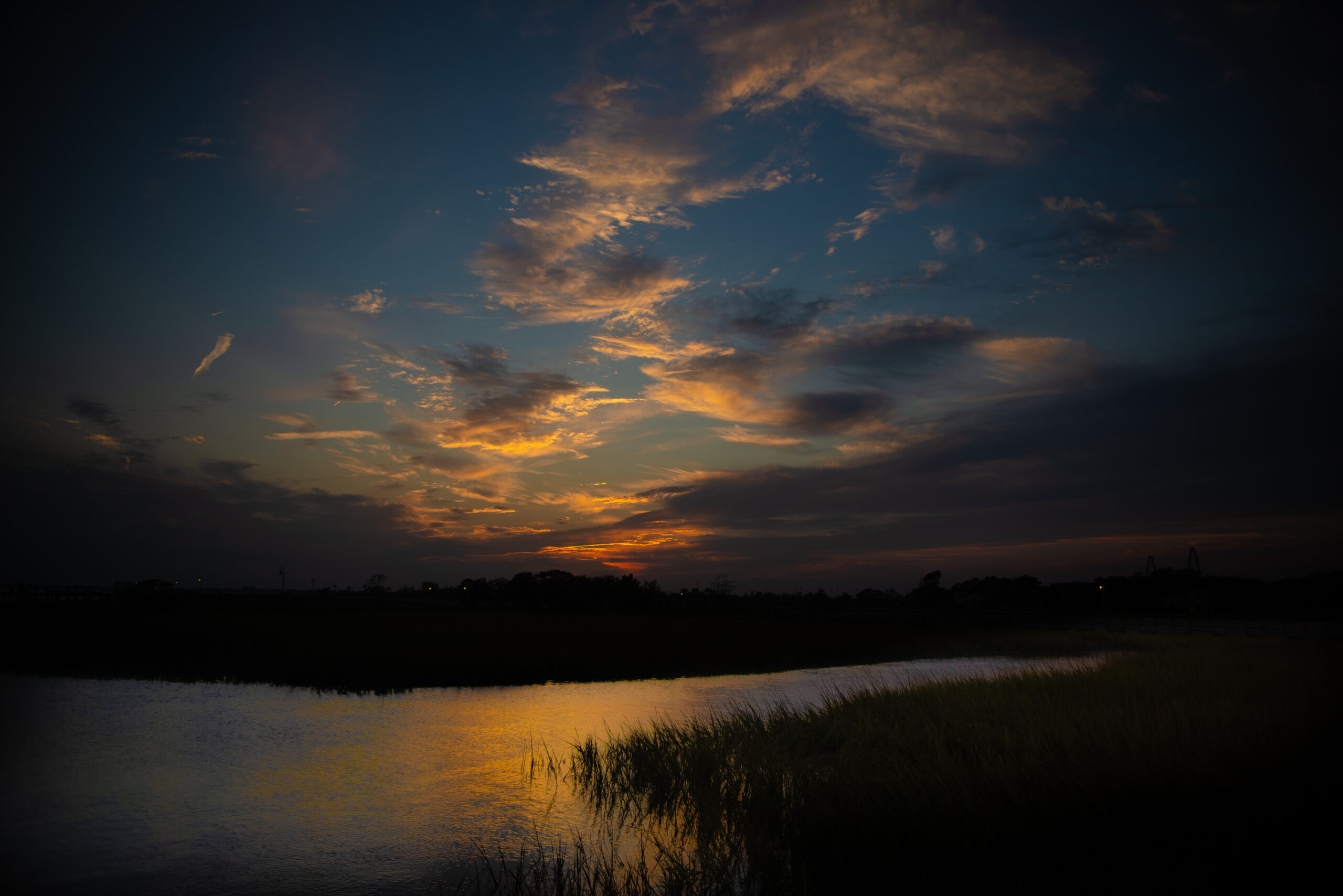
Coastal edges and tidal light from South Carolina’s Lowcountry — shifting skies, shifting tides.
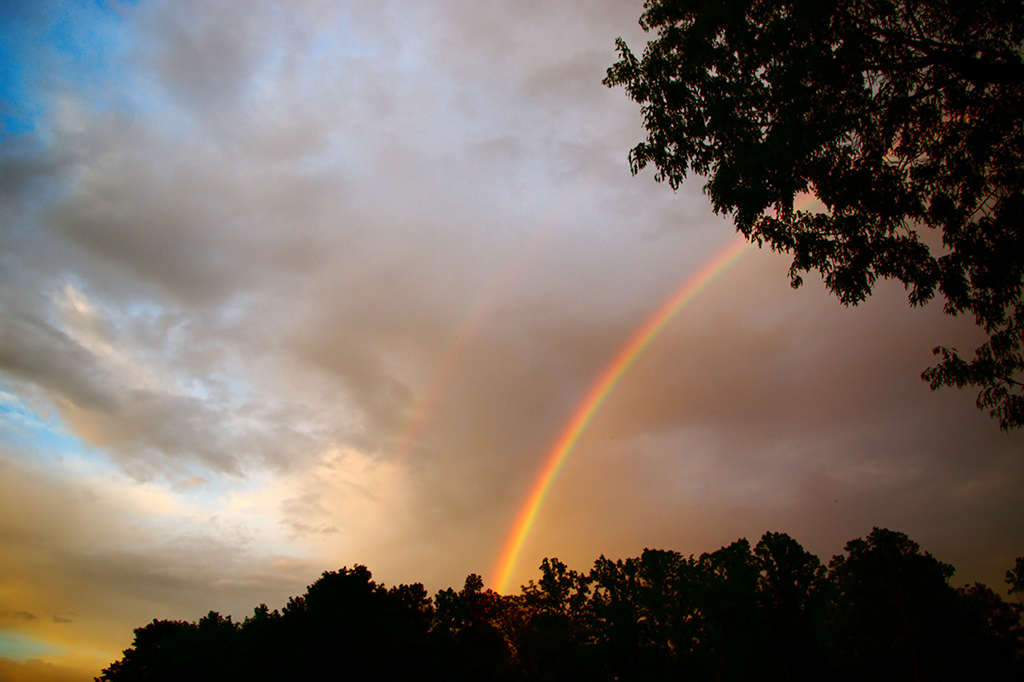
Dramatic skies and stormscapes — energy, stillness, and the power of weather.
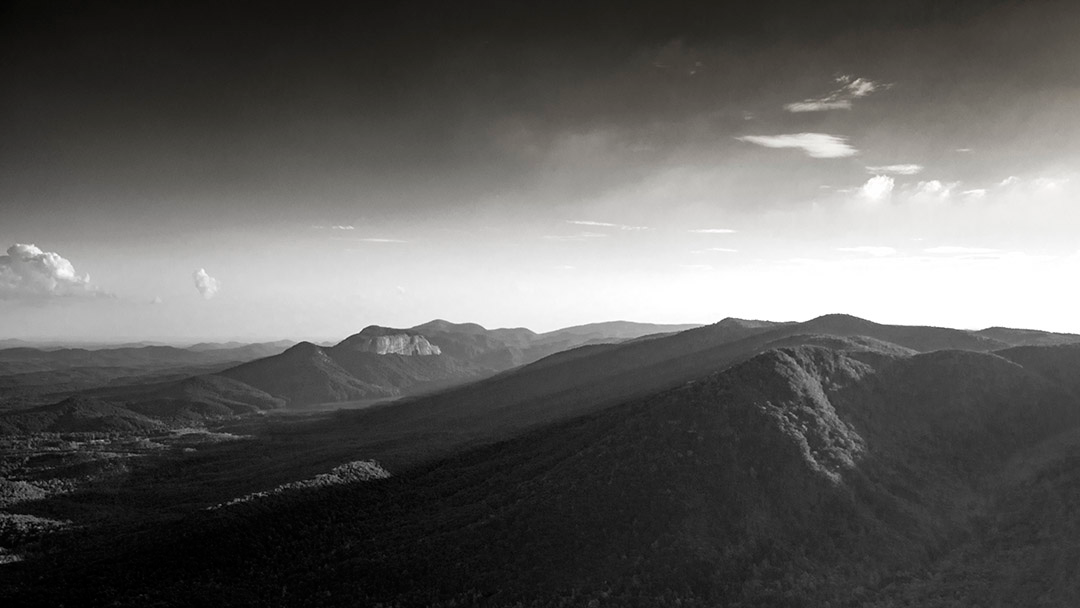
Quiet elevations and tree-lined ridges of the Carolina Upstate — serene, timeless views.
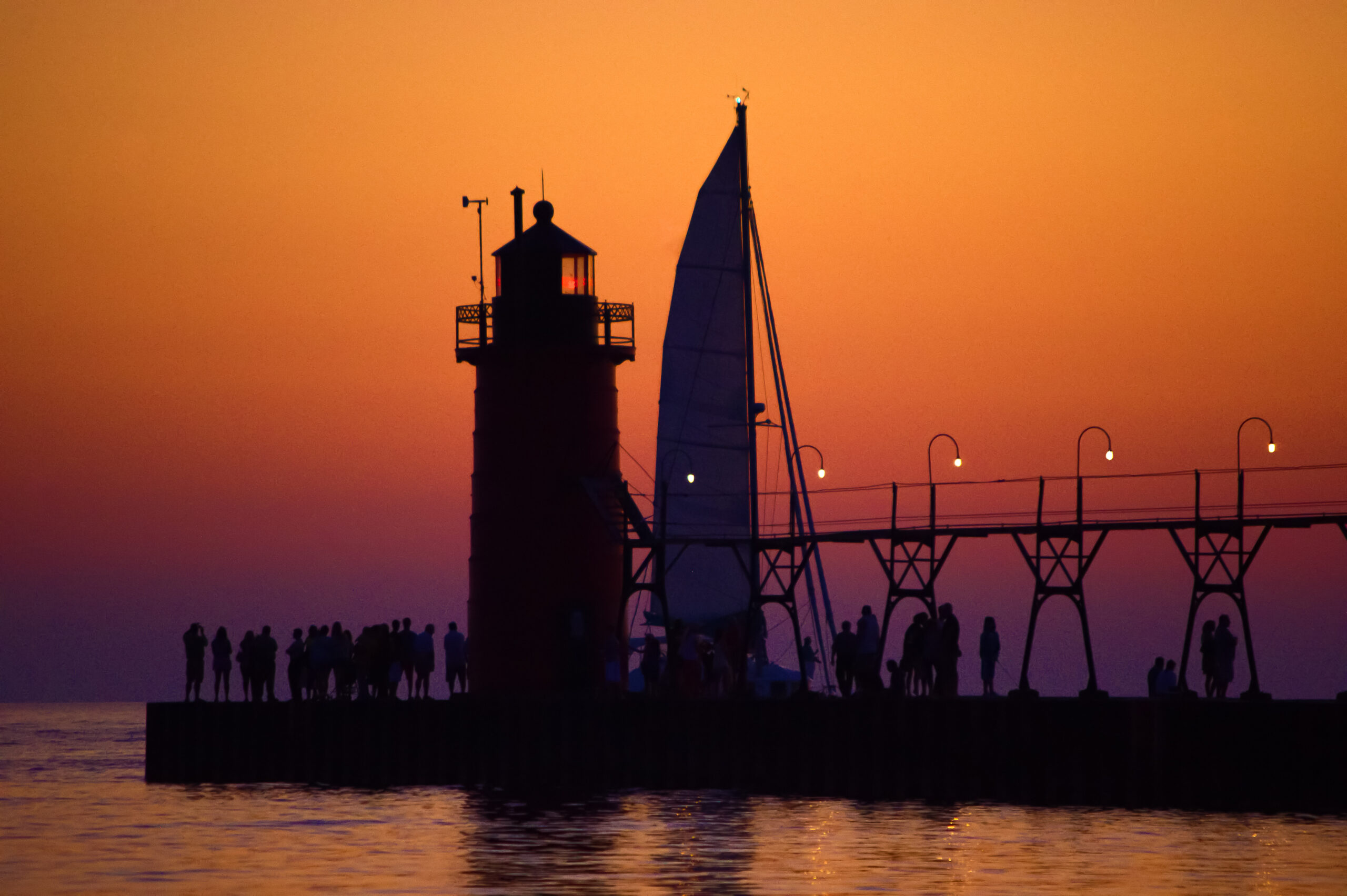
Icons of light and weather, from frozen Great Lakes piers to Carolina coastlines.
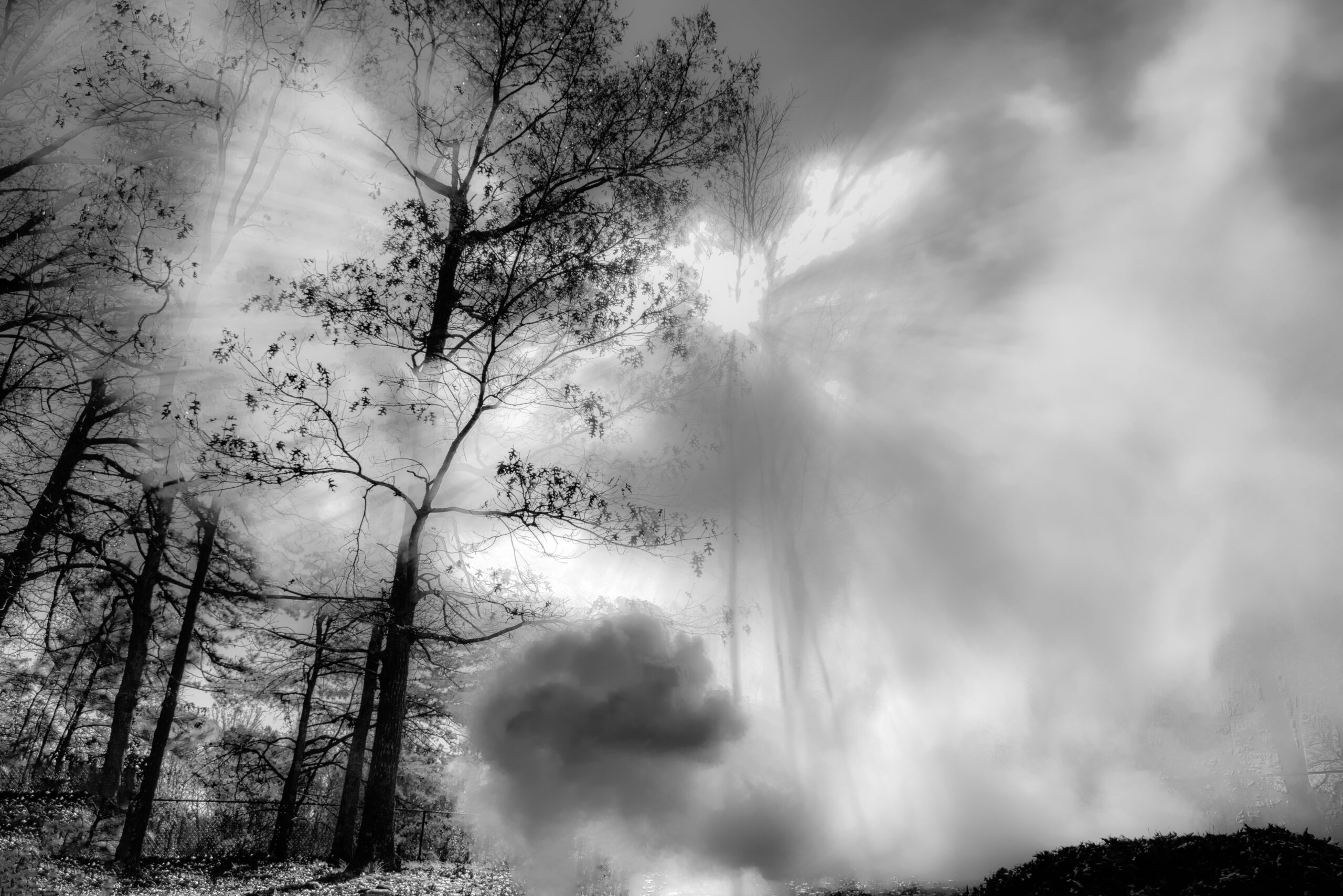
Fine art studies of detail and atmosphere — finding beauty in the overlooked ordinary.
My fine art photography is created for collectors, exhibitions, and designed interiors. Each image is crafted to hold presence in the room — carrying atmosphere, memory, and story. Exhibited, commissioned, and collected, this work moves beyond decoration to become part of place and experience. Exhibited, commissioned, and collected, this work moves beyond decoration to become part of place and experience. The 2026 Fine Art Collection is available in the
READY TO COLLECT OR COMMISSION?
Whether you’re looking to add a statement piece to your collection, curate work for an exhibition, or commission something new, I’d love to collaborate with you. Let’s create fine art photography that carries atmosphere, memory, and story.